Sylhet Weather Today: 🌡️ 32°C — ☀️ Sunny
✈️ Plan Your Sylhet Trip

Tanguar Haor: A Wetland Paradise Unveiled

Imagine waking up to the gentle lapping of water against a wooden hull, stepping out onto a sun-drenched deck, and finding yourself surrounded by an endless expanse of crystal-clear water and lush green landscapes. This is not a scene from a movie; it is the everyday reality of a journey through Tanguar Haor. For many travelers planning routes, search terms like ‘sylhet tanguar haor’ and ‘sunamganj tanguar haor’ are common starting points.

Recognized as a wetland of international importance, Tanguar Haor Bangladesh (often tagged online as ‘tanguar haor bangladesh’) offers an unparalleled escape for nature lovers, adventure seekers, and those looking to disconnect from the hustle of city life. Whether you are floating on a luxurious vessel or watching migratory birds take flight at dawn, this region is a true ecological masterpiece.

In this comprehensive guide, we will uncover everything you need to know about visiting this wetland paradise, from booking the perfect boat to exploring hidden lakes and swamp forests.

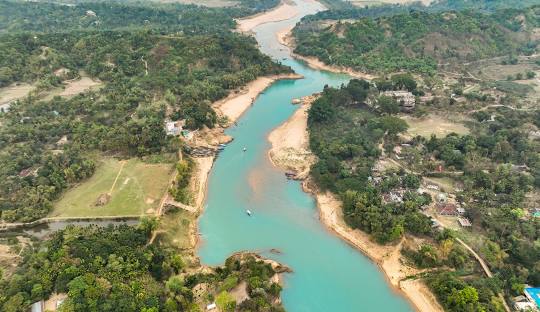
Vast expanse of Tanguar Haor with clear blue water and distant green hills in English

Understanding the Tanguar Haor Location

Before packing your bags, it is essential to understand the geography of this unique destination. The exact Tanguar Haor location falls primarily within the Dharmapasha and Tahirpur upazilas of the Sunamganj district. Covering an area of nearly 100 square kilometers during the rainy season, the haor is a massive river basin that sits right at the foothills of the Meghalaya hills of India. If you’re searching maps for ‘tanguar haor location’, you’ll find it pinned around these upazilas; you may also see it written as ‘Tanguar haor’ in guidebooks—both refer to the same Ramsar site.

Because of its proximity, many travelers combine their visits, looking for a complete Sylhet Tanguar Haor itinerary (often searched as ‘sylhet tanguar haor’). To get there, most tourists travel from Dhaka to Sylhet—or directly to Sunamganj (‘sunamganj tanguar haor’)—by bus, followed by a local transport ride to the Tahirpur boat ghat (dock), where the aquatic adventure truly begins.

When to Go: Seasons of the Haor

The best time to visit Sunamganj wetlands depends entirely on the type of scenery and activities you prefer. The environment undergoes a dramatic transformation throughout the year, making it feel like two completely different destinations.

When comparing monsoon vs winter travel experiences in Sylhet, here is what you need to know:

The Monsoon Magic (June to September)

During the monsoon, rainwater rushes down from the Meghalaya hills, submerging the land and turning the Sunamganj Tanguar Haor into a vast, freshwater inland sea.

The Winter Wonderland (November to February)

As the water recedes in winter, the haor shrinks into smaller, distinct water bodies (known as beels), revealing expansive green pastures where local cattle graze.

Flock of migratory birds flying over the winter wetlands of Tanguar Haor in English

The Magic of Houseboats: Cruising the Wetlands

To truly immerse yourself in the beauty of the region, spending a night on the water is an absolute must. In recent years, the Tanguar Haor houseboat industry—often listed as ‘tanguar haor houseboat’—has boomed, offering accommodations that range from rustic to highly luxurious.

Choosing Your Vessel

If you want to experience the wetlands in comfort, booking a houseboat Tanguar Haor style (sometimes shown as ‘houseboat tanguar haor’) is highly recommended. These boats often feature cozy cabins, attached washrooms, and rooftop dining areas. Alternatively, for a more authentic and budget-friendly day trip, hiring a traditional Tanguar Haor boat (a large wooden engine boat with floor seating, often searched as ‘tanguar haor boat’) is a great choice.

Logistics: Group Tour vs Private Boat Hiring

When organizing your trip, you will face a common dilemma: group tour vs private boat hiring.

Budgeting for Your Stay

Understanding houseboat rental costs for overnight stays will help you plan better. For a premium houseboat with air conditioning, comfortable beds, and high-quality meals (featuring local haor fish, traditional duck curry, and fresh vegetables), prices generally range from $30 to $70 per person, per night, depending on the boat’s luxury level and the size of your group.

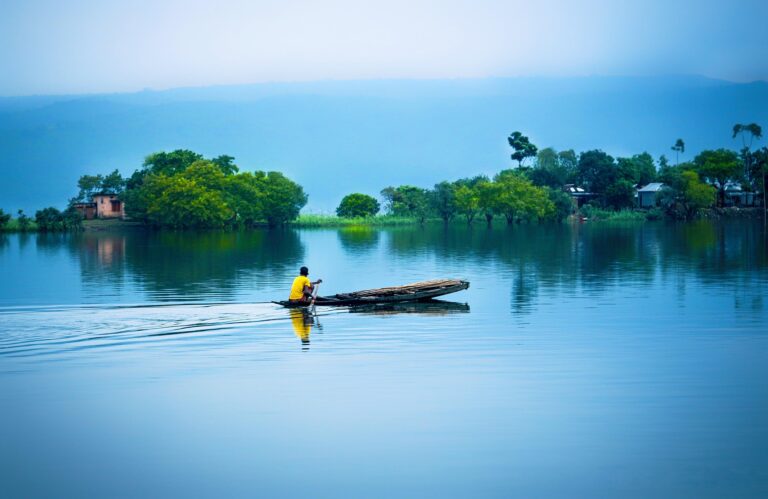
A beautiful wooden houseboat floating on Tanguar Haor at sunset in English

Top Attractions and Activities in the Wetlands

A trip to the haor is not just about staying on a boat; it is about exploring the unique natural and geological wonders scattered across the basin.

1. Navigating the Patlai River Route

The journey usually begins by navigating the Patlai river route. This serene river acts as the main artery connecting Tahirpur to the deeper parts of the haor. Gliding down this river, flanked by vibrant green banks and distant mountains, sets the perfect tone for the trip.

2. Exploring Hijal and Karoch Swamp Forests

One of the most surreal experiences is exploring Hijal and Karoch swamp forests . These unique trees have adapted to survive half-submerged in water for months at a time. Taking a small, non-motorized wooden dinghy through the silent, flooded woods is almost mystical. The reflection of the trees on the glass-like water makes it one of the best photography spots in Sunamganj district.

3. Sunrise Views from the Sunamganj Watchtower

For a panoramic perspective of the vast wetlands, you must experience the sunrise views from the Sunamganj watchtower. Located deep within the haor, this tower allows visitors to look out over the endless waters and spot flocks of birds starting their day.

4. Tekerghat and Niladri Lake

Near the Indian border lies a stunning geological site. If you are wondering how to plan a trip to Niladri Lake, it is usually included in day two of most houseboat itineraries. Once an abandoned limestone quarry, the area has transformed into a stunning lake with striking turquoise waters backed by towering green hills.

A comprehensive Tekerghat limestone lake sightseeing guide recommends:

The turquoise waters of Niladri Lake surrounded by green hills in English

Culture, Community, and Conservation

Beyond its natural beauty, Tanguar Haor is home to a rich local culture and a delicate ecosystem that requires our respect.

Life in the Wetlands

While touring, you will get a glimpse into the traditional lifestyle of wetland fishing communities. Entire villages are built on raised mounds of earth to survive the monsoon floods. The locals rely heavily on fishing, duck rearing, and agriculture. Purchasing local handicrafts or freshly caught fish directly from small village markets is a wonderful way to support these communities.

The Importance of Conservation

Because it is a designated Ramsar site, protecting freshwater biodiversity in northeast Bangladesh is a massive priority. The haor is home to hundreds of species of fish, plants, and birds, many of which are endangered.

Being a Responsible Traveler

As tourism increases, we must be acutely aware of sustainable tourism impacts on local ecosystems.

Practical Travel and Safety Tips

Spending time on a massive water body requires some basic precautions. Here are some essential safety tips for boat travelers to ensure a smooth and secure trip:

Tourists wearing life jackets while riding a small wooden dinghy through a swamp forest in English

Conclusion

Tanguar Haor is a magnificent testament to the raw, untamed beauty of nature. From the sprawling, ocean-like waters of the monsoon to the quiet, bird-filled sanctuaries of the winter, it offers an escape unlike any other. By choosing the right houseboat, respecting the local culture, and committing to sustainable travel practices, you can ensure that this ecological treasure remains vibrant for generations to come.

Whether you are capturing the perfect shot at Niladri Lake or simply sipping tea on a deck as the sun dips below the wetland horizon, a journey to Tanguar haor is an experience that will stay with you long after you have returned to dry land. Plan your trip today, and prepare to be enchanted by Bangladesh’s premier wetland paradise.

Q&A

Question: Where exactly is Tanguar Haor, and how do I get there?
Short answer: Tanguar Haor is in the Dharmapasha and Tahirpur upazilas of the Sunamganj district, at the foothills of India’s Meghalaya hills. Most travelers go from Dhaka to Sylhet or directly to Sunamganj by bus, then continue by local transport to the Tahirpur boat ghat (dock), where boat journeys into the haor begin.

Question: When should I visit—monsoon or winter—and what’s the difference?
Short answer: Visit in monsoon (June–September) for vast, ocean-like waters, submerged green forests, and scenic cruising/swimming. Choose winter (November–February) for calm weather, grazing pastures around shrunken beels, and superb birdwatching—migratory species like Pallas’s fish eagle, large whistling ducks, and sandpipers gather in large numbers.

Question: Should I book a houseboat, join a group tour, or hire a private boat—and what will it cost?
Short answer: For comfort, book a Tanguar Haor houseboat with cabins, washrooms, and rooftop dining; for budget day trips, hire a traditional wooden engine boat. Join a group tour if you want an all-inclusive, cost-effective package and company; choose a private boat for full control over itinerary, menu, and privacy. Premium houseboat overnights typically cost about $30–$70 per person per night, depending on luxury and group size.

Question: What are the must-see spots and activities in the haor?
Short answer: Cruise the serene Patlai River into the wetlands; glide by dinghy through the Hijal and Karoch swamp forests—top photography locations; catch sunrise from the Sunamganj watchtower; and visit Tekerghat/Niladri Lake for turquoise waters, the Lakmachara waterfall, short hill treks with panoramic views, and swimming with life jackets.

Question: How can I travel responsibly and stay safe on the water?
Short answer: Respect the Ramsar-listed ecosystem: don’t litter, keep noise low, and avoid damaging swamp-forest flora. Support local communities by buying handicrafts or fresh fish in village markets. For safety, always wear a life jacket, carry rain gear and waterproof bags, bring a high-capacity power bank, use insect repellent, and pack a basic first-aid kit (plus motion-sickness pills if needed).

Discover Jaflong in Sylhet: Bangladesh’s Hidden Gem

Nestled in the lush landscapes of Bangladesh, Jaflong in Sylhet is a hidden gem waiting to be discovered. This enchanting destination offers a perfect blend of natural beauty and cultural richness.

Visitors are captivated by its rolling hills, clear rivers, and vibrant local life. Jaflong is not just a feast for the eyes but also a cultural treasure trove.

The area is home to the Khasi tribe, offering a unique glimpse into their traditions and lifestyle. Adventure seekers and nature lovers will find plenty to explore in this serene retreat.

Whether you’re seeking tranquility or cultural exploration, Jaflong Sylhet promises an unforgettable experience.

A breathtaking view of Jaflong's lush green hills and clear river

Where is Jaflong? Location and Overview

Jaflong is located in the northeastern part of Bangladesh, within the Sylhet division. This picturesque region is near the border with India, providing an exciting cross-cultural experience. Its strategic location makes it a gateway for exploring nearby attractions in the Sylhet Valley.

Visitors can easily reach Jaflong from Sylhet city, as it is well-connected by road. The journey itself offers breathtaking views of lush tea gardens and majestic hills. Jaflong’s enchanting environment promises a peaceful retreat away from the city bustle.

Key features of Jaflong include:

With its unique blend of natural beauty and vibrant culture, Jaflong in Sylhet is a must-visit destination.

Map showing the location of Jaflong near the Indian border

The Natural Beauty of Jaflong Sylhet

Jaflong is a paradise for nature enthusiasts, offering unparalleled scenic beauty. Lush green hills frame the region, creating a serene backdrop for a relaxing getaway. The pristine environment and cool climate make it a refreshing escape year-round.

The Piain, also known as the Dawki River, is a highlight in Jaflong. Its crystal-clear waters reflect the sky, earning it the title “Jewel of Sylhet.” Visitors can enjoy tranquil boat rides, perfect for soaking in the surrounding beauty.

Jaflong is often referred to as the “Daughter of Nature.” This is due to its stunning landscapes and biodiversity. Exploring the rolling hills and dense forests, one encounters a rich variety of flora and fauna.

The region’s vibrant ecology is preserved through eco-friendly tourism practices. These initiatives help sustain Jaflong’s natural beauty while promoting responsible exploration. This commitment to conservation is vital for maintaining the area’s pristine condition for future generations.

Natural wonders in Jaflong include:

Jaflong’s picturesque sights make it a photographer’s dream destination.

Lush green hills surrounding Jaflongby Mosharraf Hossain (https://unsplash.com/@mhphotography13) Crystal-clear waters of the Dawki Riverby Shraddha Wasnik (https://unsplash.com/@shraddh_w)

Top Attractions in Jaflong Sylhet Bangladesh

Jaflong offers a variety of attractions that captivate visitors with their natural beauty and cultural significance. Travelers can explore scenic points and participate in thrilling activities. Each site provides unique insights into the region’s allure. Travelers in Jaflong Sylhet Bangladesh can explore these highlights.

Zero Point is a noteworthy attraction, situated at the border with India. It offers a strategic view of both countries. Travelers appreciate the opportunity to observe cross-border interactions and enjoy the panoramic vistas.

The Dawki River, also known as Piain, is another marvel. It lures tourists with its clear waters, ideal for peaceful boat rides. The enchanting river journey unveils verdant landscapes and breathtaking horizons.

A visit to the Sengram Punji Waterfalls is a must. Cascading water against a backdrop of greens makes for a mesmerizing sight. Nearby, the Khasi Village provides an enriching cultural experience, blending natural charm with tradition.

The local economy significantly relies on stone collection activities. This unique process is an attraction in itself, showcasing the region’s resourcefulness and industrious spirit.

Must-visit attractions in Jaflong:

Panoramic view of Zero Point at the borderby Kushal Verma (https://unsplash.com/@kushal_verma2000) Scenic boat ride on the Dawki Riverby Shraddha Wasnik (https://unsplash.com/@shraddh_w)

Zero Point and the Indian Border

Zero Point is a remarkable spot in Jaflong. It sits right at the Bangladesh-India border. The site is known for its strategic location and striking views, making it a popular destination.

Visitors can witness the cross-border symbiosis between the two nations. This culturally significant area offers a unique perspective of shared landscapes and mutual influences. Tourists often capture memorable moments here.

Border landscape at Zero Pointby Andrew Johnson (https://unsplash.com/@johnsonandrew290)

Piain (Dawki) River and Boat Rides

The Dawki River, with its crystal-clear surface, is a signature of Jaflong. Many come to experience its tranquil beauty. The serene landscape around the river leaves an indelible mark.

Boat rides along the Dawki River are captivating. As you float on clear waters, lush hills unfold before you. This peaceful journey offers stunning views and a close-up encounter with nature.

The surrounding vistas are perfect for photography. Each moment on the water presents a unique picture opportunity, reflecting the harmony of nature. River excursions are a highlight for many travelers.

Picturesque boating on Dawki Riverby Amit Jain (https://unsplash.com/@amitjain0106) Transparent waters of Dawki Riverby Mondakranta Saikia (https://unsplash.com/@mondakranta)

Sengram Punji Waterfalls and Khasi Village

Sengram Punji Waterfalls offers an escape into nature’s embrace. The waterfall’s cascading waters create a soothing soundtrack. It is an ideal spot for picnics and leisurely exploration.

Near the falls, the Khasi Village provides cultural enrichment. Here, visitors can experience the vibrant traditions of the Khasi tribe. Life in the village unfolds with color and authenticity.

Attractions in this area include:

The village is an opportunity to learn and appreciate cultural diversity.

Stone Collection Activities

Jaflong’s landscapes are not just scenic; they are economically valuable. Stone collection is a significant activity here, contributing to the local economy. This work shapes the region’s distinctive geological landscape.

The stone collection process is fascinating. Watching the locals skillfully gather stones from riverbeds is intriguing. This endeavor reflects the harmonious interplay of nature and commerce.

This activity also adds to the authenticity of Jaflong. Stones are transported and processed, offering a glimpse into local livelihoods. It’s a unique opportunity to witness sustainable resource use firsthand.

People collecting stones from the riverby Bruce Hong (https://unsplash.com/@hongqi) Transport and processing of river stonesby Nick Hawkes (https://unsplash.com/@hypn0fiddl3r)

Culture and People: The Khasi Tribe and Local Life

The Khasi tribe is an integral part of Jaflong’s vibrant cultural tapestry. Their presence adds depth to the region’s societal dynamics. Visitors are often enchanted by the tribe’s rich traditions.

Life in the Khasi community is steeped in age-old customs. These traditions reflect a harmonious relationship with nature. Each aspect of their daily life showcases cultural preservation.

The Khasi people are renowned for their warm hospitality. Their welcoming nature leaves a lasting impression on visitors. Engaging with the tribe offers insights into their unique matrilineal society.

Key cultural elements of the Khasi tribe:

Exploring their lifestyle provides a deeper understanding of Jaflong’s cultural diversity.

Khasi tribe members in traditional attireby Gustavo Leighton (https://unsplash.com/@g_leighton)

Biodiversity and Eco-Tourism in Jaflong

Jaflong is a hub of biodiversity, boasting rich flora and fauna. The verdant landscapes are teeming with life. Nature lovers are drawn to its untouched beauty.

Eco-tourism thrives here, promoting responsible travel. Sustainable practices help preserve the area’s natural resources. Visitors are encouraged to explore with care and respect.

Jaflong offers incredible opportunities for observing wildlife. Enthusiasts can embark on guided nature walks. This fosters an appreciation for the region’s ecological wealth.

Key elements of biodiversity in Jaflong:

Explore Jaflong’s natural wonders and contribute to its conservation.

Lush greenery and diverse wildlife in Jaflongby Ag Juwel (https://unsplash.com/@ag_juwel)

Best Time to Visit Jaflong

Jaflong boasts a pleasant climate year-round, making it an ideal destination anytime. However, the best months to visit are from October to March. During this period, the weather is cooler and dry, enhancing the overall experience.

Monsoons, from June to September, drench the area with heavy rains. This transforms the landscape into a lush paradise but may disrupt travel plans. Plan your visit accordingly for optimal enjoyment.

Scenic view of Jaflong during peak tourist seasonby Mosharraf Hossain (https://unsplash.com/@mhphotography13)

How to Get to Jaflong from Sylhet

Traveling to Jaflong from Sylhet is simple and convenient. Road connections are well-maintained, offering a scenic journey. Various options are available to suit different preferences and budgets. The Sylhet Jaflong route is popular for day trips, thanks to its short travel time.

You can choose from:


Where to Stay: Hotels and Resorts in Jaflong

Accommodations in Jaflong cater to various needs and budgets. Whether you prefer rustic charm or modern comfort, options are available. Staying in Jaflong allows visitors to immerse in its serene environment fully.

Consider these choices:

View of a resort surrounded by lush greenery in Jaflongby Tajul Islam (https://unsplash.com/@tajulux)

Local Cuisine and Where to Eat

Jaflong offers a taste of traditional Bangladeshi cuisine. Ingredients are fresh and flavors are authentic, reflecting the local culture. Eating here is a delightful experience.

Try these local favorites:


Tips for Travelers: Safety, Etiquette, and Responsible Tourism

When visiting Jaflong, keep in mind a few safety and etiquette tips. These can greatly enhance your experience.

Consider the following pointers:

Responsible tourism ensures the beauty of Jaflong remains intact for future visitors.

Nearby Attractions: Exploring More of Sylhet

Sylhet offers many attractions beyond Jaflong, enriching any travel experience. Each site provides its unique charm, adding variety to your itinerary.

Consider exploring:

A scenic view of Sylhet Tea Gardensby Simanta Saha (https://unsplash.com/@simanta_99)

These places promise unforgettable memories and a deeper understanding of Sylhet’s rich natural beauty and vibrant culture.

Why Visit Jaflong? Final Thoughts

Jaflong is more than a picturesque spot; it’s a gateway to Bangladesh’s rich culture. Its stunning landscapes and welcoming locals make it an unforgettable destination. Visitors can immerse themselves in diverse experiences, from breathtaking natural vistas to meaningful cultural connections.

Planning a visit to Jaflong promises adventure, serenity, and cultural enrichment. This hidden gem offers the perfect retreat for those seeking beauty and tranquility in their travels. Witness Jaflong’s allure and experience its profound charm firsthand.

Q&A

Question: Where is Jaflong, and how do I get there from Sylhet?

Short answer: Jaflong sits in northeastern Bangladesh within the Sylhet division, right near the India border. It’s easily reached by road from Sylhet city—popular even for day trips—and the drive treats you to views of tea gardens and rolling hills. You can travel by private car for flexibility, public bus for a budget-friendly ride, or hop on a local tuk-tuk for a bit of adventure.

Question: What are the must-see attractions in Jaflong, and what makes each unique?

Short answer: Jaflong’s highlights blend nature, scenery, and local life:

Question: Who are the Khasi people, and how can visitors engage respectfully?

Short answer: The Khasi are a local tribe central to Jaflong’s cultural fabric, known for warm hospitality and a matrilineal society. Visitors can learn through their traditional attire, crafts, folklore, music, and indigenous foods—especially in the Khasi Village. Engage politely, honor customs, and approach interactions with curiosity and respect to enrich the experience for both sides.

Question: When is the best time to visit Jaflong, and what should I expect seasonally?

Short answer: You can visit year-round, but October to March offers cooler, dry weather and the smoothest overall experience. The June–September monsoon drenches the hills and rivers—turning the landscape into a lush paradise—yet heavy rains can disrupt plans. Choose dry-season months for ease, or monsoon for dramatic greenery and moods (with flexibility in your schedule).

Question: What makes Jaflong a haven for nature lovers, and how can I travel responsibly (plus where to stay and eat)?

Short answer: Nicknamed the “Daughter of Nature,” Jaflong features biodiverse forests, rare bird sightings, unique geology, and the glassy Piain/Dawki River. Eco-friendly tourism is encouraged: stay on marked paths, minimize impact, and respect local practices. For stays, you’ll find budget guesthouses, mid-range hotels, and eco-resorts immersed in greenery. For food, try traditional Bangladeshi fare like Panta Bhat, fresh river fish curries, and locally grown teas.

Life in the Tea Gardens of Sylhet

Nestled in the lush, rolling hills of northeastern Bangladesh, Sylhet is renowned for its sprawling tea gardens. These verdant plantations are not only a source of some of the finest teas in the world but also a vibrant community hub where generations of workers live and work. The life in the tea gardens of Sylhet is a blend of hard labour, tradition, culture, and natural beauty, offering a unique glimpse into rural life that supports a globally loved beverage.

The Rich History of Sylhet’s Tea Gardens

Sylhet’s association with tea dates back to the British colonial period in the 19th century. The region’s cool climate, ample rainfall, and fertile soil created perfect conditions for tea cultivation. Over time, tea estates spread across the hills, becoming a major economic driver for the area.

These gardens were initially established by British planters, but today, they are operated by local companies and employ thousands of people. The tea industry remains a vital part of Sylhet’s economy, contributing significantly to Bangladesh’s exports.

Daily Life in the Plantations

The Workers and Their Community

The heart of each tea garden community is its workforce. Many workers have family ties to the plantations going back generations. Their lives revolve around the rhythms of tea plucking and processing, intertwined with community traditions.

Tea pickers, often women, start their day early in the morning. They move carefully through the rows of tea bushes, selecting the tender top leaves and buds, which are crucial for producing high-quality tea. This skilled work demands patience and attention to detail, as the quality of the leaves directly impacts the final product.

The workers live in modest quarters within the estates, often in small villages provided by the tea companies. These settlements typically include basic amenities such as schools, healthcare centres, and marketplaces. Despite the simplicity, there is a strong sense of community and mutual support.

Seasonal Rhythms and Workload

Life in the tea gardens follows the seasons. The main plucking season usually begins in late winter and peaks in spring and summer when the bushes produce the freshest leaves. During this time, the workload intensifies, and workers often put in long hours to meet production targets.

The off-season allows for maintenance of the bushes, pruning, and preparation for the next cycle. This quieter period gives workers some respite and time to focus on family and community activities.

Cultural Aspects and Traditions

Festivals and Local Celebrations

Sylhet’s tea garden communities celebrate many traditional festivals throughout the year. Events like Baisabi, a harvest festival, and Bengali New Year (Pohela Boishakh) are marked with colourful festivities, music, and dance. These occasions are important for strengthening social bonds and preserving cultural heritage.

Cuisine and Daily Meals

The diet of tea garden workers is simple but hearty, often centred on rice, lentils, seasonal vegetables, and fish or meat when available. Tea itself is a staple, not only as a product but as a daily refreshment. Workers typically enjoy strong, sweetened tea several times a day, which helps sustain their energy during long working hours.

Challenges Faced by Tea Garden Communities

Economic Struggles and Labour Issues

Despite the beauty and significance of the tea gardens, life here is not without difficulties. Many workers face low wages, limited job security, and inadequate healthcare. Labour rights and fair pay remain key concerns for activists and organisations working in the region.

Environmental Concerns

Tea cultivation requires careful management to prevent soil erosion and maintain biodiversity. Some gardens have adopted sustainable farming practices, but others still struggle with environmental degradation. Climate change also poses a threat, as changing weather patterns can affect tea yields and quality.

Tourism and the Future of Sylhet’s Tea Gardens

In recent years, Sylhet’s tea gardens have attracted tourists keen to experience the scenic landscapes and learn about tea production firsthand. Eco-tourism and homestays have begun to develop, offering new income sources for local communities.

Efforts to modernise tea processing and improve workers’ conditions are ongoing, supported by government initiatives and private companies. The future of life in the tea gardens depends on balancing economic growth with social welfare and environmental stewardship.

Conclusion

Life in the tea gardens of Sylhet is a story of resilience, tradition, and connection to nature. It is a place where labour and landscape combine to create a product enjoyed worldwide, yet it remains deeply rooted in local culture and community. Understanding this lifestyle offers valuable insight into how a simple leaf brings together people, economy, and environment in a remarkable harmony.

Frequently Asked Questions

What makes Sylhet’s tea special?
Sylhet’s tea is prized for its unique flavour, which results from the region’s ideal climate, high altitude, and rich soil. The careful plucking of tender leaves and traditional processing methods also contribute to its distinctive taste.

How do tea garden workers live?
Most workers live in small villages within the tea estates, with basic facilities provided by the companies. Their daily lives revolve around tea cultivation, family, and community activities.

Are the tea gardens open to visitors?
Yes, many tea gardens in Sylhet welcome tourists. Visitors can enjoy guided tours, learn about tea production, and stay in eco-friendly lodges or homestays to experience local culture.

What challenges do tea garden communities face?
Common challenges include low wages, limited access to healthcare and education, and environmental issues related to sustainable farming and climate change.

How is the tea industry changing in Sylhet?
The industry is gradually modernising with improved processing technology and better labour practices. There is also a growing focus on eco-tourism and sustainable agriculture to support the local economy and environment.

Traditional Sylheti Dishes Explained

Sylhet, a picturesque region in northeastern Bangladesh, is not only famous for its rolling tea gardens and lush landscapes but also for its distinctive culinary heritage. Sylheti cuisine reflects the rich cultural tapestry of the area, blending indigenous ingredients with influences from neighbouring regions and historical trade routes. If you’re curious about the traditional dishes that define this vibrant cuisine, this guide will take you through the most beloved Sylheti foods, their ingredients, and their cultural significance.

Introduction to Sylheti Cuisine

Sylheti food is known for its robust flavours, aromatic spices, and the use of fresh, seasonal produce. While it shares some similarities with broader Bangladeshi and Bengali cuisines, Sylheti dishes often feature unique preparations and local ingredients that set them apart. The cuisine balances sweet, sour, spicy, and savoury tastes, reflecting the region’s diverse palate.

Traditionally, meals are hearty and meant to be shared, often revolving around rice as the staple grain, accompanied by a variety of curries, vegetables, and pickles. Fish and meat play a central role, given Sylhet’s rivers and agricultural richness.

Staple Ingredients in Sylheti Cooking

Before exploring specific dishes, it helps to understand the common ingredients used:

Rice: The cornerstone of almost every meal.
Fish: Particularly freshwater varieties like rohu and hilsa.
Meat: Chicken, beef, and mutton are popular.
Lentils and pulses: Essential for dals and soups.
Spices: Turmeric, cumin, coriander, mustard seeds, and fenugreek are frequently used.
Herbs: Fresh coriander, mint, and bay leaves.
Mustard oil: Often used for cooking, lending a distinctive flavour.
Chilies: Both green and red, for heat and colour.

Iconic Sylheti Dishes

1. Shatkora Beef Curry

One of the most famous Sylheti dishes is Shatkora Beef Curry. Shatkora is a type of wild citrus fruit native to Sylhet, known for its fragrant and tangy flavour. This fruit is sliced and cooked with tender chunks of beef in a spicy and aromatic curry.

The bitterness and sourness of the shatkora balance beautifully against the richness of the beef and the warmth of the spices. This dish is often enjoyed during special occasions and family gatherings.

2. Ilish Bhuna (Hilsa Fish Curry)

Hilsa fish, or ilish, is considered the national fish of Bangladesh and is especially revered in Sylhet. The Ilish Bhuna preparation involves cooking the fish in mustard oil with green chilies, turmeric, and mustard seeds to create a thick, spicy, and fragrant curry.

The technique emphasises frying the fish lightly before simmering it in the sauce, preserving its delicate texture and flavour. It’s traditionally served with plain white rice.

3. Panta Bhat with Bhuna

Panta Bhat is fermented rice soaked in water overnight, often eaten cold with salt, onion, and green chili. While common in many parts of Bangladesh, in Sylhet it is frequently paired with a spicy meat or fish bhuna (dry curry).

This combination is popular during hot weather for its cooling effect and is a staple during rural festivals and social events.

4. Shutki (Dried Fish) Curry

Dried fish, or Shutki, is another hallmark of Sylheti cuisine. The fish is sun-dried and then cooked with potatoes, onions, garlic, and a mix of spices to create a pungent and flavourful curry.

Shutki curry is an acquired taste for many but cherished by locals for its intense aroma and depth of flavour. It is a source of protein in regions where fresh fish can be seasonal.

5. Khichuri (Spiced Rice and Lentils)

Khichuri is a comforting dish made from rice and lentils cooked with turmeric, bay leaves, cinnamon, and other spices. In Sylhet, it is often enriched with ghee, fried onions, and sometimes meat or eggs.

Khichuri is traditionally prepared during religious festivals and rainy days, providing warmth and nourishment.

6. Alu Bharta (Mashed Potatoes with Mustard Oil)

A simple yet essential side dish is Alu Bharta, mashed potatoes mixed with mustard oil, salt, and chopped green chilies. This dish accompanies many meals, adding a spicy and tangy contrast to the main curries.

The use of mustard oil gives the potatoes a unique sharpness that is characteristic of Sylheti tastes.

7. Dim Bhuna (Egg Curry)

Eggs are a popular protein source, and Dim Bhuna is a classic Sylheti preparation where boiled eggs are cooked in a spiced onion and tomato gravy until richly coated.

This dish is often served with plain rice or paratha and is a quick yet flavourful option for everyday meals.

Cultural Context of Sylheti Food

Food in Sylhet is not just about sustenance; it is deeply tied to social customs and celebrations. Meals are often communal, with family members gathering around a low table or mat to share dishes.

Many traditional Sylheti dishes are prepared during weddings, religious festivals like Eid, and harvest celebrations. The recipes have been passed down through generations, often with minor family variations that add to the richness of the culinary tradition.

Hospitality is highly valued, and guests are typically offered the best dishes and portions as a sign of respect and warmth.

How to Experience Authentic Sylheti Food

If you want to try Sylheti dishes firsthand, consider these tips:

– Visit Sylheti restaurants or home cooks who specialise in traditional cooking.
– Attend cultural festivals where Sylheti food is showcased.
– Try cooking some dishes at home with authentic ingredients like shatkora or mustard oil.
– Pair meals with traditional accompaniments such as fresh salad, pickles, or panta bhat.

Conclusion

Traditional Sylheti dishes offer a fascinating glimpse into the region’s history, geography, and culture. From the tangy shatkora beef to the aromatic hilsa curry and the humble but satisfying alu bharta, these foods demonstrate the diversity and depth of Sylheti cuisine. Whether you are a food enthusiast or simply curious about regional South Asian flavours, exploring these dishes is a rewarding culinary journey.

FAQ

What makes Sylheti cuisine different from other Bangladeshi food?
Sylheti cuisine is distinguished by its unique use of local ingredients like shatkora citrus and dried fish, as well as specific cooking methods and spice blends that create distinctive flavours not always found in other Bangladeshi regions.

Is Sylheti food very spicy?
While Sylheti dishes can be spicy, the heat level varies. Many dishes balance spice with sour or sweet notes, making the cuisine flavourful without overwhelming heat. Adjustments can often be made to suit personal preferences.

Can I find Sylheti dishes outside Bangladesh?
Yes, especially in areas with Sylheti diaspora communities, such as parts of the UK. Sylheti restaurants and home cooks often bring traditional recipes abroad, though some ingredients might be substituted.

Are Sylheti dishes healthy?
Many Sylheti dishes use fresh ingredients like vegetables, fish, and spices that offer nutritional benefits. However, some dishes may be rich in oil or salt, so moderation is key for a balanced diet.

What is the best way to enjoy Sylheti food?
The best experience is to eat Sylheti dishes freshly prepared and shared in a communal setting. Pairing soft white rice with richly spiced curries and enjoying the meal with family or friends enhances the enjoyment and cultural appreciation.

What is Seven Layer Tea? The Famous Drink of Srimangal

Seven Layer Tea is a unique and visually captivating beverage that has become synonymous with Srimangal, a picturesque region in Bangladesh renowned for its lush tea gardens. This colourful drink is not only a treat for the eyes but also offers a delightful blend of flavours and textures, making it a must-try for visitors and tea enthusiasts alike. In this article, we’ll explore what makes Seven Layer Tea so special, how it is prepared, and why it holds such cultural significance in Srimangal.

The Origin of Seven Layer Tea

Srimangal, often called the tea capital of Bangladesh, is famous for its sprawling tea estates and the rich culture surrounding tea production. The concept of layering drinks is not unique to Bangladesh, but the Seven Layer Tea of Srimangal stands out due to its creativity and the precise art of layering seven different ingredients to create a stunning, multi-hued glass of tea.

The drink gained popularity in local tea stalls and cafés, quickly becoming a symbol of Srimangal’s tea culture. Tourists flock to enjoy this beverage, often pairing it with local snacks or simply savouring it as a refreshing treat after a day exploring the tea gardens.

What Are the Seven Layers?

As the name suggests, the drink is composed of seven distinct layers, each carefully poured to keep the colours and flavours separate. The layers combine to produce a sweet, creamy, and aromatic drink with a variety of tastes. While recipes may vary slightly between vendors, the traditional seven layers typically include:

1. Green Tea Layer

The base layer is usually a strong, freshly brewed green tea. It is slightly bitter and provides a refreshing start to the drink. The green tea used often comes directly from the nearby plantations, ensuring freshness and authenticity.

2. Lemon Juice Layer

Next comes a thin layer of lemon juice, adding a zesty and tangy flavour that contrasts with the earthiness of the tea. This layer also contributes a bright yellow hue, enhancing the visual appeal.

3. Sugar Syrup Layer

To balance out the bitterness and acidity, a layer of sugar syrup is added. This sweet layer melts slowly into the other ingredients, giving the tea a pleasant sweetness.

4. Milk Layer

Fresh milk is poured carefully to create a creamy, white layer. The milk softens the flavours and adds richness, making the drink more indulgent.

5. Condensed Milk Layer

A thicker, sweeter layer of condensed milk follows. It lends a caramel-like sweetness and a dense texture that contrasts with the lighter milk layer.

6. Tea Leaf Jelly Layer

One of the most distinctive components of Seven Layer Tea is the inclusion of tea leaf jelly. Made by mixing brewed tea with gelatin or agar-agar and then cooling it until it sets, this jelly adds a chewy texture and a deep tea flavour.

7. Foam or Whipped Cream Layer

The final layer is a frothy foam or a dollop of whipped cream. This topping adds a creamy finish and completes the visual gradient of the drink.

How Is Seven Layer Tea Made?

Creating Seven Layer Tea requires patience and precision. The key challenge is to pour each ingredient slowly and carefully so they do not mix, preserving the distinct layers. This technique relies on the different densities and sugar contents of each ingredient.

Step-by-Step Preparation

1. Prepare Ingredients: Brew a strong green tea and let it cool slightly. Prepare lemon juice, sugar syrup, fresh milk, condensed milk, and tea leaf jelly in advance.
2. Pour the Base: Start with the green tea at the bottom of a tall, clear glass.
3. Add Lemon Juice: Using a spoon or pouring very slowly, add the lemon juice so it floats above the tea.
4. Layer Sugar Syrup: Carefully pour the sugar syrup next, ensuring it does not mix with the lemon juice.
5. Milk and Condensed Milk: Gently add fresh milk followed by condensed milk, pouring each layer slowly over the back of a spoon.
6. Add Tea Leaf Jelly: Spoon in the tea leaf jelly pieces, distributing them evenly.
7. Top with Foam: Finish with a layer of frothy foam or whipped cream.

The result is a beautiful glass of tea with seven distinct bands of colour and flavour, inviting the drinker to enjoy each layer individually or mix them for a complex taste experience.

Why Is Seven Layer Tea Popular in Srimangal?

Seven Layer Tea is more than just a drink — it’s a celebration of Srimangal’s tea heritage. The region’s reputation as the heart of Bangladesh’s tea industry means that tea drinking here is both a daily ritual and a cultural expression.

A Visual Delight

The striking appearance of the drink makes it highly Instagrammable and a favourite among tourists. The vibrant layers reflect the creativity and care that go into Srimangal’s tea culture.

A Blend of Flavours and Textures

The combination of bitter, sweet, sour, creamy, and chewy elements creates a unique sensory experience. It showcases the versatility of tea and how it can be enjoyed in many forms.

Supporting Local Tea Industry

Each layer highlights a different aspect of tea production and preparation, drawing attention to Srimangal’s local ingredients and artisanal methods. By ordering Seven Layer Tea, visitors support local businesses and farmers.

Where to Try Seven Layer Tea in Srimangal

If you’re planning a trip to Srimangal, you’ll find Seven Layer Tea widely available at tea stalls, cafés, and restaurants throughout the town and surrounding tea estates. Some popular spots include:

Tea Gardens’ Cafés: Many tea estates have their own cafés where you can enjoy freshly made Seven Layer Tea amid scenic views.
Local Markets: Street vendors often serve this drink, providing an authentic and budget-friendly experience.
Specialty Tea Houses: For a more refined setting, some tea houses offer variations of the drink with additional flavours or toppings.

Visiting these places not only allows you to enjoy the drink but also to learn more about the tea culture and meet local tea experts.

Tips for Enjoying Seven Layer Tea

Observe the Layers: Take a moment to appreciate the colours and textures before stirring.
Try Each Layer Separately: If possible, taste each layer individually to experience the distinct flavours.
Mix Gradually: Stir the drink slowly if you want a blended flavour, or sip carefully to enjoy the layered effect.
Pair with Snacks: Local sweets or savoury snacks complement the tea perfectly.

Conclusion

Seven Layer Tea is a fascinating and delicious representation of Srimangal’s rich tea culture. Its vibrant layers and complex flavours make it a unique beverage that appeals to locals and visitors alike. Whether you’re a tea lover or simply curious, trying Seven Layer Tea in Srimangal offers a memorable experience that combines taste, tradition, and artistry.

FAQ

What is Seven Layer Tea?
Seven Layer Tea is a colourful, multi-layered tea drink originating from Srimangal, Bangladesh, consisting of seven different ingredients poured carefully to create distinct layers of colour, flavour, and texture.

Why is it called Seven Layer Tea?
The name comes from the seven separate layers that make up the drink, each with its own colour and taste, which are poured one on top of another without mixing.

Is Seven Layer Tea hot or cold?
It is typically served cold or at room temperature, making it a refreshing beverage, especially in warmer weather.

Can I make Seven Layer Tea at home?
Yes, with patience and the right ingredients such as green tea, lemon juice, milk, condensed milk, sugar syrup, tea leaf jelly, and cream, you can recreate it at home, though it may take some practice to get the layering just right.

Where can I try authentic Seven Layer Tea?
The best place to enjoy authentic Seven Layer Tea is in Srimangal, Bangladesh, especially at local tea gardens and cafés known for traditional tea preparations.

10 Famous Foods You Must Try in Sylhet

Sylhet, a picturesque region in the northeast of Bangladesh, is not only known for its lush tea gardens and natural beauty but also for its unique and flavourful cuisine. The culinary traditions here are deeply influenced by local ingredients, cultural history, and the region’s diverse communities. If you ever find yourself visiting Sylhet, trying the local dishes is a must to truly experience the area’s rich heritage.

In this article, we’ll explore 10 famous foods from Sylhet that you simply cannot miss.

1. Shatkora Beef Curry

What is Shatkora?

shatkora beef curryShatkora is a type of citrus fruit native to Sylhet, known for its distinct tangy and slightly bitter flavour. It’s a key ingredient that gives Sylheti dishes their unique taste.

The Dish

Shatkora beef curry combines tender pieces of beef with chunks of this aromatic fruit, simmered in a spicy and fragrant gravy. The citrusy aroma perfectly balances the richness of the meat, creating a memorable dish that locals and visitors alike love.

2. Panta Ilish

A Sylheti Twist on a Classic

panta ilishPanta Ilish is a traditional dish where hilsa fish, Bangladesh’s national fish, is paired with fermented rice soaked in water. The Sylheti version often includes additional mustard oil and green chillies, enhancing the flavour profile.

Why Try It?

This dish is a true representation of Sylhet’s riverine culture and is often enjoyed during festivals. The combination of sour, spicy, and oily flavours makes it a unique culinary experience.

3. Shutki (Dried Fish) Bhuna

What is Shutki?

shutki bhunaShutki refers to dried fish, a staple in many Sylheti households. It’s prepared by drying fresh fish under the sun, concentrating the flavour.

The Preparation

Shutki bhuna is a dry, spicy stir-fried dish where dried fish is cooked with onions, garlic, and plenty of spices. Despite its strong aroma, it’s a beloved delicacy that pairs wonderfully with plain rice.

4. Chunga Pitha

A Traditional Sylheti Sweet

chunga pithaChunga pitha is a type of rice cake cooked inside a bamboo tube. The mixture of rice flour, coconut, and jaggery is tightly packed into the bamboo and then roasted over a fire.

Why It’s Special

The bamboo imparts a subtle smoky flavour to the pitha, making it a popular treat during winter and festive occasions in Sylhet.

5. Khasir Mangshor Jhol (Mutton Curry)

A Hearty Sylheti Favourite

khashir mangshoThis mutton curry is slow-cooked with a variety of local spices, creating a rich and tender dish. Sylheti cooks often use a blend of aromatic herbs that set this curry apart from other regional versions.

Serving Suggestion

Khasir Mangshor Jhol is best enjoyed with steamed rice or traditional paratha breads.

6. Shorshe Ilish (Hilsa in Mustard Sauce)

A Bengali Classic with a Sylheti Flair

shorshe ilishHilsa cooked in mustard sauce is a beloved dish across Bangladesh, but Sylhet’s version often features a stronger mustard taste and the use of fresh green mustard seeds.

Taste Profile

The pungency of mustard combined with the oily texture of hilsa makes for a rich and flavourful dish that is a must-try for fish lovers.

7. Pitha (Rice Cakes)

Beyond Chunga Pitha

chunga pithaSylhet boasts a variety of pithas beyond the bamboo-cooked chunga pitha. Some popular ones include Bhapa Pitha (steamed rice cakes) and Patishapta (crepes filled with coconut and jaggery).

When to Eat

These sweets are often prepared during winter and festival seasons, especially during Poush Parbon, a traditional harvest festival.

8. Sylheti Beef Bhuna

What Makes It Unique?

sylheti beef bhuna kalaSylheti beef bhuna is a dry, thick beef curry cooked with a blend of whole and ground spices. The slow-cooking process allows the meat to absorb deep, rich flavours.

Ideal For

This dish is typically served with plain white rice or naan bread and is a staple at special family gatherings.

9. Begun Bharta (Mashed Eggplant)

A Simple Yet Flavourful Side

begun bhartaBegun bharta is a mashed eggplant dish mixed with mustard oil, green chillies, onions, and salt. It’s a popular accompaniment to rice, especially in Sylhet’s rural areas.

Why You Should Try It

The smoky, creamy texture combined with sharp mustard oil makes this a refreshing and light dish to balance heavier curries.

10. Chingri Malai Curry (Prawn Coconut Curry)

A Luxurious Sylheti Dish

chingri malai curryThis prawn curry is cooked in a rich coconut milk base with subtle spices, resulting in a creamy and mildly spiced delicacy.

Perfect Pairing

Chingri Malai Curry goes very well with steamed rice and is often reserved for special occasions or festive meals.

Tips for Enjoying Sylheti Cuisine

Try Local Eateries: Many of the best Sylheti dishes are found in small family-run restaurants or street food stalls, where recipes have been passed down for generations.
Ask for Recommendations: Don’t hesitate to ask locals for their favourite dishes or places to eat; Sylhetis are proud of their food and happy to share.
Be Adventurous: Some dishes like shutki bhuna might have strong flavours or smells unfamiliar to outsiders, but they are worth trying for a genuine experience.
Pair with Tea: Sylhet is famous for its tea gardens, and a cup of fresh Sylheti tea perfectly complements many of these dishes.


Exploring Sylhet through its food is a delightful journey filled with rich tastes and fascinating stories. Whether you’re a curious traveller or a food enthusiast, these ten dishes provide a true taste of Sylhet’s culinary heritage. Don’t miss out on these flavoursome experiences on your next visit!

The Palace Luxury Resort Sylhet: A Perfect Blend of Comfort and Nature

Nestled in the scenic hills of Sylhet, The Palace Luxury Resort offers an exquisite escape for travellers seeking a blend of natural beauty and modern comfort. Known for its tranquil surroundings and elegant amenities, this resort is an ideal destination for families, couples, and explorers eager to experience the charm of northeast Bangladesh.

Discovering The Palace Luxury Resort Sylhet

Situated among Sylhet’s lush greenery, The Palace Luxury Resort provides guests with a peaceful retreat from the bustle of daily life. The resort is designed to complement the region’s stunning landscapes, allowing visitors to unwind while enjoying the fresh air and scenic views.

Location and Accessibility

The resort is conveniently located near Sylhet city, making it accessible yet secluded enough to offer a serene environment. It is approximately a 20-minute drive from Sylhet International Airport, making arrival and departure hassle-free for both domestic and international visitors. Proximity to key tourist spots such as Jaflong, Ratargul Swamp Forest, and the Tea Gardens means guests can explore the best of Sylhet effortlessly.

Accommodation: Comfort Meets Elegance

The Palace Luxury Resort features a variety of accommodation options designed to suit different preferences and group sizes. Each room and villa is thoughtfully furnished to ensure maximum comfort and a memorable stay.

Rooms and Villas

Guests can choose from well-appointed rooms, deluxe suites, and private villas. The rooms are spacious with large windows that offer breathtaking views of the hills or gardens. Modern amenities include air conditioning, free Wi-Fi, flat-screen TVs, and ensuite bathrooms with hot water facilities.

The private villas are especially popular among families or groups seeking more privacy and space. These come with additional facilities such as living areas, balconies, and sometimes even private gardens.

Interior and Ambience

The interiors strike a balance between contemporary design and traditional Sylheti decor. Natural materials like wood and bamboo are used to create a warm and inviting atmosphere. Soft lighting and tasteful furnishings contribute to a relaxing environment, perfect for rest after a day of sightseeing.

Dining Experience at The Palace Luxury Resort

One of the highlights of staying at this resort is the dining experience. The on-site restaurant serves a variety of local and international dishes, prepared with fresh and locally sourced ingredients.

Cuisine and Menu Options

Guests can enjoy traditional Sylheti delicacies alongside popular Bangladeshi and continental meals. The restaurant caters to different dietary preferences, including vegetarian and halal options. Breakfast, lunch, and dinner are available, with special arrangements for celebrations or group events.

Ambience and Service

Dining takes place in a spacious, open-air setting overlooking the resort’s gardens or hills. The attentive staff ensures that every meal is enjoyable, with prompt and friendly service. For those who prefer privacy, room service is also offered.

Activities and Attractions Nearby

The Palace Luxury Resort is not just a place to stay but a gateway to exploring Sylhet’s natural wonders and cultural heritage.

Nature Walks and Tea Gardens

Guests can take guided nature walks around the resort or visit nearby tea plantations. The lush tea gardens provide a picturesque backdrop for photography and a chance to learn about tea production in the region.

Excursions to Sylhet’s Landmarks

Popular day trips include visits to Jaflong’s stone collection points by the river, the mystical Ratargul Swamp Forest, and the historic Hazrat Shah Jalal Mazar Sharif shrine. The resort can help arrange tours and transportation for these excursions.

Relaxation and Wellness

For those looking to unwind, the resort offers spa services and wellness sessions. Yoga classes and massage therapies are available to enhance relaxation amidst the calming surroundings.

Facilities and Services

The Palace Luxury Resort aims to meet the needs of all kinds of travellers with a range of facilities.

Event Hosting

With spacious banquet halls and outdoor spaces, the resort is suitable for weddings, conferences, and corporate retreats. Professional event planning services are available to ensure smooth organisation.

Family-Friendly Amenities

Children’s play areas and family rooms make the resort welcoming for guests travelling with kids. Safety and convenience are priorities here.

Additional Services

Other amenities include free parking, laundry services, currency exchange, and 24-hour front desk support. The resort also offers shuttle services to and from the airport or nearby attractions.

Why Choose The Palace Luxury Resort Sylhet?

Choosing this resort means opting for a harmonious combination of luxury, comfort, and nature. The attentive staff, well-maintained facilities, and stunning location all contribute to a memorable stay. Whether you’re visiting Sylhet for leisure, adventure, or business, The Palace Luxury Resort caters to all your needs with warmth and professionalism.

Frequently Asked Questions (FAQ)

What types of rooms are available at The Palace Luxury Resort Sylhet?
The resort offers a range of options including standard rooms, deluxe suites, and private villas, each equipped with modern amenities and scenic views.

Is The Palace Luxury Resort suitable for families with children?
Yes, the resort provides family-friendly facilities such as children’s play areas and family rooms to ensure a comfortable stay for guests of all ages.

How far is the resort from Sylhet International Airport?
The Palace Luxury Resort is approximately a 20-minute drive from Sylhet International Airport, making it easily accessible for travellers.

Does the resort offer dining options for specific dietary needs?
Absolutely. The on-site restaurant caters to various dietary preferences including vegetarian and halal meals, ensuring all guests can enjoy their dining experience.

Can the resort arrange tours to local attractions?
Yes, the resort can organise guided tours and transportation to popular Sylhet destinations like Jaflong, Ratargul Swamp Forest, and the tea gardens.

All Resorts in Sylhet: A Complete Guide to the Best Stays in the Tea Capital of Bangladesh

Sylhet, often referred to as the tea capital of Bangladesh, is a captivating destination known for its lush green landscapes, rolling tea gardens, serene waterfalls, and vibrant cultural heritage. For travellers seeking to immerse themselves in nature’s beauty while enjoying comfort and luxury, Sylhet offers a wide range of resorts that cater to different needs and preferences. Whether you are planning a family holiday, a romantic getaway, or a solo adventure, choosing the right resort can elevate your experience significantly.

In this comprehensive guide, we will explore the best resorts in Sylhet, what makes them unique, and useful tips to help you select the perfect place to stay.

Why Choose a Resort in Sylhet?

Sylhet’s natural beauty is its biggest draw, and resorts here are often designed to blend seamlessly with the environment. Staying in a resort rather than a hotel or guesthouse can provide you with more space, privacy, and access to recreational facilities such as swimming pools, gardens, and outdoor activities. Many resorts are located near major attractions like Jaflong, Ratargul Swamp Forest, and the well-known tea estates, making it convenient to explore the region without long commutes.

Popular Resorts in Sylhet

1. Tea Heaven Resort

Nestled within the heart of Sylhet’s tea country, Tea Heaven Resort offers an authentic experience surrounded by endless tea gardens and hills. The resort features comfortable cottages with modern amenities, a restaurant serving traditional Sylheti and Bangladeshi cuisine, and walking trails that allow guests to explore the stunning landscape.

Highlights: Panoramic views of tea plantations, peaceful environment, guided tea garden tours.
Ideal for: Nature lovers and those seeking tranquility.

2. Hotel Noorjahan Grand

Though primarily a hotel, Noorjahan Grand offers resort-like facilities including a large swimming pool, spa services, and spacious rooms. Located close to Sylhet city, it is a convenient option for travellers who want easy access to urban amenities while enjoying the comforts of a resort.

Highlights: Central location, modern facilities, family-friendly.
Ideal for: Visitors looking for a balance between city access and relaxation.

3. Jaflong Resort

Situated near the scenic Jaflong area, this resort is perfect for travellers interested in exploring the stunning river views and the Khasi tribal villages. The rooms are simple but comfortable, with a focus on outdoor activities like hiking and boating.

Highlights: Proximity to Jaflong and Dawki, riverfront views, cultural tours.
Ideal for: Adventure seekers and cultural enthusiasts.

4. Rose View Hotel & Resort

Offering a blend of luxury and nature, Rose View is located in a serene part of Sylhet with impressive views of surrounding hills and tea estates. The resort boasts well-furnished rooms, a swimming pool, and a restaurant serving both local and international dishes.

Highlights: Comfortable accommodation, beautiful landscaping, good food.
Ideal for: Couples and families looking for a relaxing stay.

5. Long Beach Hotel & Resort

Though named after the famous Cox’s Bazar beach, Long Beach in Sylhet is a resort that offers spacious rooms and various recreational activities. It is popular among tourists for its friendly service and proximity to Sylhet’s main attractions.

Highlights: Spacious rooms, recreational facilities, good customer service.
Ideal for: Groups and families.

What to Expect from a Resort Stay in Sylhet

Staying at a resort in Sylhet generally guarantees a peaceful environment, fresh air, and beautiful natural surroundings. Many resorts provide the following amenities:

Comfortable accommodation: From traditional cottages to modern rooms.
Local cuisine: Many resorts feature restaurants serving authentic Sylheti dishes such as panta bhat, shutki (dried fish), and various tea blends.
Outdoor activities: Guided tours of tea gardens, hiking, bird watching, and sometimes even fishing.
Relaxation facilities: Swimming pools, spas, and gardens.
Cultural experiences: Some resorts organise local music performances or visits to nearby tribal villages.

Tips for Choosing the Right Resort in Sylhet

When deciding on a resort, consider the following factors:

Location

If you want to explore specific sites like Ratargul Swamp Forest or the Lalakhal river, choose a resort close to these attractions to reduce travel time. Resorts near Sylhet city offer easier access to markets and restaurants, while those in more remote locations provide greater peace.

Budget

Sylhet has resorts ranging from budget-friendly to luxury. Decide how much you want to spend and look for options that offer the best value for money without compromising comfort.

Facilities

Think about what matters most to you—whether it’s a swimming pool, Wi-Fi, on-site dining, or outdoor activities. Check resort websites or reviews to confirm available amenities.

Group Size and Purpose

Whether you are travelling alone, as a couple, or with family and friends, select a resort that can comfortably accommodate your group and suits your travel purpose, be it relaxation, adventure, or cultural immersion.

Best Time to Visit Sylhet for a Resort Stay

The ideal time to visit Sylhet is between October and March when the weather is cool and pleasant. During the monsoon (June to September), the region becomes lush and green, but heavy rains can sometimes disrupt travel plans. Many resorts remain open year-round, but visiting during the dry season ensures a better overall experience.

How to Book a Resort in Sylhet

Booking a resort is straightforward with numerous online platforms available, including popular travel websites and the resorts’ official pages. It’s advisable to:

– Compare prices and read recent guest reviews.
– Confirm cancellation policies.
– Check if the resort offers airport transfers or guided tours.
– Contact the resort directly for any special requests or to clarify doubts.

Exploring Sylhet Beyond Your Resort

While resorts provide a comfortable base, Sylhet’s true magic lies in its surroundings. Don’t miss:

Tea garden tours: Learn about tea production and enjoy scenic walks.
Waterfalls: Visit Jharna and Madhabkunda waterfalls for refreshing sights.
Cultural sites: Explore the shrine of Hazrat Shah Jalal and the Sylhet Shahi Eidgah.
Natural wonders: Spend time at Ratargul Swamp Forest and Lalakhal river.

FAQ

What are the most popular resorts in Sylhet?
Some of the most popular resorts include Tea Heaven Resort, Jaflong Resort, Rose View Hotel & Resort, and Hotel Noorjahan Grand. Each offers a unique blend of nature, comfort, and accessibility.

Are resorts in Sylhet suitable for families?
Yes, many resorts in Sylhet cater to families, offering spacious rooms, outdoor activities, and child-friendly facilities to ensure a comfortable stay for all ages.

Do resorts provide local food options?
Most resorts feature restaurants that serve authentic Sylheti and Bangladeshi cuisine, giving guests a chance to taste local flavours during their stay.

Is it necessary to book resorts in advance?
During peak seasons (October to March), it’s recommended to book your accommodation in advance to secure your preferred resort and room type.

Can I find budget-friendly resorts in Sylhet?
Absolutely. Sylhet offers a range of resorts from budget to luxury, so travellers can find options that suit their financial plans without sacrificing comfort.

Choosing the right resort in Sylhet can turn your trip into an unforgettable experience filled with natural beauty, cultural richness, and relaxation. Whether you seek the peaceful ambience of a tea garden or the convenience of a city-side location, Sylhet’s resorts have something special to offer every traveller. Happy travels!

Sylhet to Cox’s Bazar Air Ticket Price: What You Need to Know

Travelling from Sylhet to Cox’s Bazar by air is a convenient and time-saving option, especially for those who want to avoid the long road journey between these two popular destinations in Bangladesh. If you’re planning a trip and wondering about the costs involved, this article will guide you through the typical airfares, factors affecting ticket prices, and tips for booking the best deal.

Overview of the Sylhet to Cox’s Bazar Route

Sylhet and Cox’s Bazar are two of Bangladesh’s most attractive locations, each offering unique experiences. Sylhet is famous for its lush tea gardens, rolling hills, and spiritual sites, while Cox’s Bazar boasts the world’s longest natural sea beach and vibrant marine life.

Although the distance between Sylhet and Cox’s Bazar is roughly 300 kilometres by road, the terrain and traffic conditions can make the journey lengthy. Flying provides a quicker alternative, with flights typically taking about an hour.

Airlines Operating Between Sylhet and Cox’s Bazar

Currently, there are no direct commercial flights between Sylhet and Cox’s Bazar. Travellers usually need to connect via Dhaka. This means flying from Sylhet’s Osmani International Airport (ZYL) to Hazrat Shahjalal International Airport (DAC) in Dhaka, and then taking a connecting flight to Cox’s Bazar Airport (CXB).

The main carriers servicing these routes are:

Biman Bangladesh Airlines: The national flag carrier offers regular flights between Sylhet and Dhaka, and between Dhaka and Cox’s Bazar.
US-Bangla Airlines: A popular private airline providing multiple flights daily on these domestic routes.
Novoair: Another private carrier with competitive prices and good service.

Typical Airfare Prices from Sylhet to Cox’s Bazar

Since there is no direct flight, the total cost includes two separate tickets or a combined fare with a layover in Dhaka. Here’s a rough estimate of prices for one-way travel:

| Route | Average Price (BDT) | Duration |
|————————|———————|—————-|
| Sylhet to Dhaka | 2,000 – 3,500 | 40 – 50 mins |
| Dhaka to Cox’s Bazar | 2,500 – 4,000 | 45 – 60 mins |
| Total (combined) | 4,500 – 7,500 | 2 – 4 hours* |

*Including layover time.

Prices fluctuate depending on the season, how far in advance you book, and the airline you choose.

Peak vs Off-Peak Pricing

Peak Season: Holiday periods such as Eid, New Year, and the winter tourism season (November to February) usually see higher fares. Prices can rise by 20–30% or more during these times.
Off-Peak Season: Months like March to June tend to have lower prices and more availability, but weather conditions (like monsoon rains) might affect travel plans.

Booking Tips for Better Prices

Book Early: Airfares generally increase closer to the departure date.
Use Comparison Sites: Websites and apps that compare prices across airlines can help you spot discounts.
Flexible Dates: If your schedule allows, try searching for flights on different days to find cheaper options.
Watch for Promotions: Airlines sometimes offer special deals or discount codes on their websites or social media channels.

Alternative Travel Options from Sylhet to Cox’s Bazar

While flying is the fastest option, some travellers prefer other means due to cost or convenience.

By Road

The road journey covers approximately 350 km and can take 7 to 9 hours depending on traffic and road conditions. Buses and private cars are available, with bus fares generally ranging from BDT 500 to BDT 1,200.

By Train and Bus

There is no direct train service between Sylhet and Cox’s Bazar. However, you can take a train from Sylhet to Dhaka and then a bus or flight to Cox’s Bazar. This option is longer and involves more transfers but can be more economical.

What to Expect at the Airports

Sylhet Osmani International Airport (ZYL)

Sylhet’s airport is smaller but well-maintained, with basic facilities including lounges, cafes, and taxi services. Arriving early is recommended, especially during busy seasons.

Cox’s Bazar Airport (CXB)

The airport is located close to the town and beach, making transfers quick and easy. Facilities are improving steadily, with options for car rental and local transport readily available.

Final Thoughts on Air Travel Between Sylhet and Cox’s Bazar

While there is no direct flight, travelling by air remains a preferred choice for many thanks to the time saved compared to road transport. Prices vary but expect to pay between BDT 4,500 and BDT 7,500 for a one-way journey with a connection in Dhaka. Booking in advance and being flexible with dates can help you secure the best fare.

Frequently Asked Questions (FAQs)

Is there a direct flight from Sylhet to Cox’s Bazar?
Currently, no direct flights connect Sylhet and Cox’s Bazar. Most travellers fly via Dhaka with a layover.

How long does it take to fly from Sylhet to Cox’s Bazar including layover?
The total journey typically takes between 2 to 4 hours, depending on the length of the layover in Dhaka.

What is the cheapest way to travel from Sylhet to Cox’s Bazar?
Taking a bus is usually the most economical option, but it takes significantly longer than flying.

Are there budget airlines operating on this route?
Private airlines like US-Bangla and Novoair offer competitive prices and frequent flights on the Sylhet-Dhaka and Dhaka-Cox’s Bazar sectors.

When is the best time to book tickets for these flights?
Booking at least 2 to 3 weeks in advance often results in lower prices, especially outside of peak holiday seasons.

Cox Bazar to Sylhet Flight Ticket Price: What You Need to Know

Travelling between Cox Bazar and Sylhet by air is a convenient option for many, whether for business, tourism, or personal reasons. Both destinations are popular in Bangladesh, with Cox Bazar known for its stunning beaches and Sylhet famed for its lush tea gardens and natural beauty. If you’re planning a flight from Cox Bazar to Sylhet, understanding the ticket prices, airlines, and travel tips can help you make an informed decision. This guide covers everything you need to know about booking your flight and what to expect regarding costs.

Overview of Flights Between Cox Bazar and Sylhet

Direct Flights and Routes

Currently, there are no direct flights connecting Cox Bazar to Sylhet. Passengers typically need to connect via Dhaka, which serves as the main hub for domestic flights in Bangladesh. Flights from Cox Bazar to Dhaka and then from Dhaka to Sylhet are operated by several domestic airlines, making the journey manageable but requiring planning.

Airlines Operating This Route

The primary airlines serving these routes include Biman Bangladesh Airlines, US-Bangla Airlines, and Novoair. These carriers offer multiple daily flights between Cox Bazar and Dhaka, as well as Dhaka and Sylhet, giving travellers flexibility in scheduling their journey.

Understanding Flight Ticket Prices

Factors Influencing Ticket Costs

Several factors affect the price of flights between Cox Bazar and Sylhet, including:

Time of booking: Booking in advance often results in cheaper tickets, while last-minute purchases can be more expensive.
Seasonality: Prices tend to rise during peak travel seasons such as holidays, festivals, and the winter tourist season.
Airline choice: Different airlines may offer varying prices based on service, timing, and promotional offers.
Flight timing: Early morning or late-night flights might be priced differently from those during the day.
Availability: Limited seats or high demand can push prices up.

Typical Price Range

On average, the total cost of a one-way ticket from Cox Bazar to Sylhet, including the connecting flight via Dhaka, typically ranges between BDT 5,000 and BDT 10,000. This price varies based on the factors mentioned above. It’s important to check multiple airlines and booking platforms to find the best deal.

How to Book Your Flight Tickets

Online Booking Platforms

Booking your flight tickets online is the most convenient method. Popular platforms such as the airlines’ official websites, online travel agencies like Expedia, and local Bangladeshi services like Shohoz or Pathao Flights can help you compare prices and schedules easily.

Booking Directly with Airlines

For added security and better customer service, booking directly through the airline’s website or customer service centre is recommended. Airlines often provide exclusive promotions and easier refund or rescheduling options when booking direct.

Tips for Finding Cheaper Flights

Book early: Try to secure your tickets at least two to four weeks in advance.
Be flexible with dates: If your schedule allows, compare prices for different days.
Sign up for alerts: Many websites and airlines offer price alert services.
Use multiple search engines: Different platforms might have different prices or discounts.

Travel Tips for the Journey

Airport Information

Cox’s Bazar Airport (CXB): A smaller airport catering mostly to domestic flights. Arrive at least 1.5 hours before departure to allow for check-in and security.
Osmani International Airport in Sylhet (ZYL): Also primarily serving domestic flights with basic facilities. It is located close to the city centre, making onward travel convenient.

Layover in Dhaka

Since the flight involves a connection in Dhaka, allow sufficient time between flights. A layover of at least 2 to 3 hours is advisable to avoid missing your connecting flight due to delays or airport procedures.

Baggage Allowance

Domestic flights in Bangladesh usually have baggage limits around 15 kg for economy class. Confirm the allowance with your airline when booking to avoid extra charges.

Alternatives to Flying

If the flight schedules or prices don’t suit your needs, consider other transportation options:

Bus services: Several bus companies operate routes between Cox Bazar and Sylhet, but the journey can take 10-12 hours.
Train: There is no direct train connecting Cox Bazar and Sylhet.
Private car or taxi: Hiring a vehicle offers flexibility but can be time-consuming and costly.

Conclusion

While there isn’t a direct flight from Cox Bazar to Sylhet, travelling via Dhaka remains the quickest and most practical way to fly between these two destinations. Being aware of ticket price ranges, booking tips, and airlines will help you plan effectively. Remember to book early and allow ample time for your connecting flight to ensure a smooth travel experience.

Frequently Asked Questions (FAQ)

How long does it take to fly from Cox Bazar to Sylhet?
Since there are no direct flights, the journey typically involves two flights with a layover in Dhaka. Flight time from Cox Bazar to Dhaka is about 1 hour and 10 minutes, and from Dhaka to Sylhet around 45 minutes. Including layover time, total travel can take between 4 to 6 hours.

Are there budget airlines operating between Cox Bazar and Sylhet?
Yes, airlines like US-Bangla and Novoair offer competitive prices and frequent flights on the routes connecting through Dhaka.

Can I get direct flights in the near future?
Currently, no direct flights are scheduled, but with growing demand, airlines may consider launching direct services in the future. It’s best to check regularly for updates.

What is the best time to buy tickets for the lowest price?
Booking at least two to four weeks in advance usually yields better prices. Also, travelling mid-week rather than weekends can sometimes reduce costs.

Is it safe to travel by air between these cities?
Domestic flights in Bangladesh are generally safe and operated by reputable airlines. Always check the latest travel advisories and airline safety records before booking.

✈️ Plan Your Sylhet Trip