
CULTURE & HERITAGE
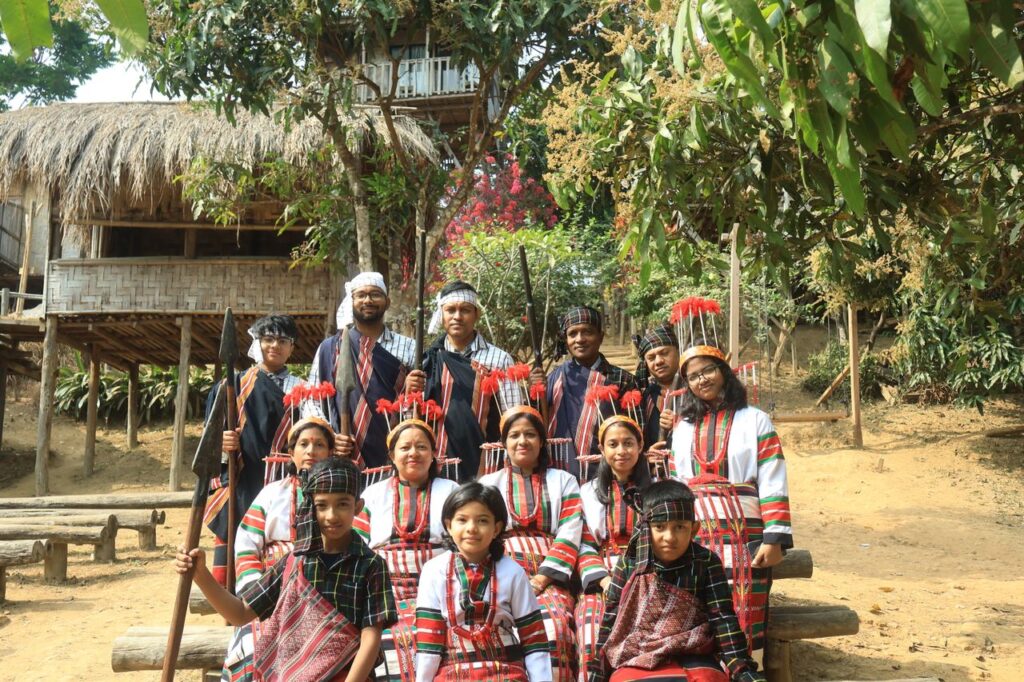
The Khasi are an Indigenous people whose communities span the hills of northeast India and parts of northeastern Bangladesh. From Meghalaya’s Khasi Hills to the villages of Greater Sylhet, this guide introduces who the Khasi are, where they live and what a Khasia Punji is.
Who are the Khasi people?
The Khasi have their own language, distinct from Bangla and Sylheti. Many Khasi families trace descent through the mother’s line, a practice known as matrilineal. Customs and livelihoods vary between communities. In Bangladesh, you may also come across the spelling Khasia.
Where do Khasi people live today?
In India, the Khasi are especially associated with the Khasi Hills of Meghalaya. Shillong, the state capital, is in East Khasi Hills, where Khasi is one of the principal languages. Communities are also recorded in neighbouring Assam, where census tables group Khasi with several related communities.
Across the border in Bangladesh, Khasi communities live in parts of Greater Sylhet, including Jaflong in Sylhet district and the Lawachara area of Moulvibazar district. A Khasia Punji (also spelled Khasi Punjee) is a Khasi village or settlement. These are places where people live, work and raise families.
Where are the Khasi villages in Greater Sylhet?
SYLHET DISTRICT
Jaflong Khasi Punjee
In 2025, the Bangladesh Tourism Board and International Labour Organization launched a community-based tourism initiative in Jaflong’s Khasi Punjee. The ILO’s follow-up, which includes a local host’s account, describes Khasi-run homestays, local food and guided activities. Ask hosts what is available before travelling. Our Jaflong visitor guide covers the wider area and its riverside sights.
MOULVIBAZAR DISTRICT
Lawachara and Magurchara
A Forest Department library field report identifies Lawachara Punji and Magurchara Punji in the national park. Treat a park visit and a village visit as separate arrangements. A park ticket does not give permission to enter homes or working gardens.
Why paan matters in Khasi villages
In the Lawachara area, researchers documented how Khasi growers cultivate paan, or betel leaf, on vines that climb living trees. The leaves are harvested and sold, and the trees provide support and shade. Paan is the leaf; supari is the areca nut often served with it. They come from different plants.
The study based on fieldwork in Lawachara Khasi Punji also describes what residents say about their relationship with the forest and the pressures they face over land access. The forest matters to people who live and work there, as well as to people who come to walk its trails.
How to visit a Khasi village respectfully
- Arrange a visit with a local host or community guide and confirm where to meet, what the visit includes and any costs.
- Ask before photographing or filming people, homes or gardens. Accept a refusal without pressing.
- Stay on the routes your host recommends. Do not pick leaves or enter cultivated areas without permission.
- If you visit Jaflong Zero Point on the same trip, allow separate time for a hosted visit. Zero Point is the riverside destination; the punji is a residential community.
Is Khasia Punji the name of one village?
No. The phrase describes a Khasi settlement. In travel searches it often refers to Jaflong’s Khasi Punjee, but Greater Sylhet has other Khasi villages, including in Moulvibazar. Use the settlement’s name and district when asking for directions or arranging a visit.
EXPLORE WITH WEBSYLHET
Request a quote for a Khasia Punji day trip
Open our trip planner and tell us your preferred date, how many people are coming, and whether you’d like a half day at Khasia Punji or a full day including Jaflong. We’ll check availability and get back to you with a quote.
No payment is needed to enquire.