
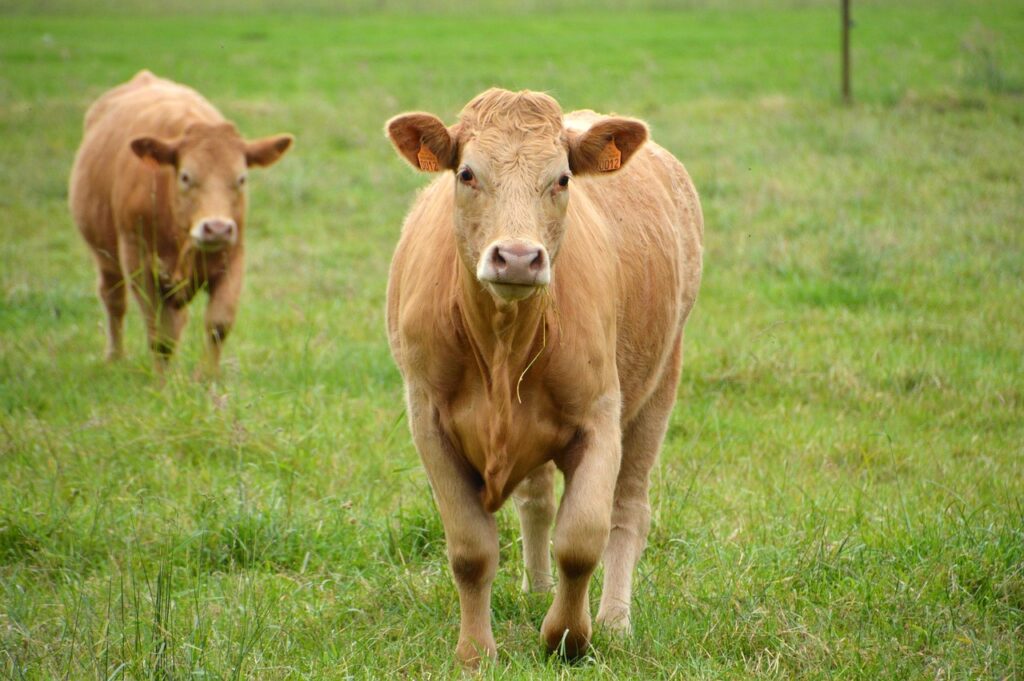
Farmers in Sylhet are facing growing concern as illegal cattle movement from India continues ahead of Eid-ul-Azha, affecting local livestock markets and reducing profits for many rural families. Traders and farmers say the sudden increase in cattle entering border areas has created uncertainty at a time when many people depend on Eid sales for their yearly income.
Every year before Eid, thousands of farmers across Sylhet raise cows and bulls hoping to sell them at good prices during the festival season. Many take loans, spend heavily on animal feed, and invest months of hard work into preparing livestock for market. However, this year many sellers fear they may not recover their costs due to the rising flow of cheaper cattle entering through border routes.
Several farmers from border districts said local markets are already seeing price pressure. Buyers are reportedly waiting for lower prices, expecting more cattle to arrive in the coming days. As a result, local livestock owners are struggling to negotiate fair rates for their animals.
A cattle farmer from Sylhet Sadar said he had raised four cows for Eid after spending a large amount on feed and medicine over the past year. He explained that market prices are now lower than expected, leaving him uncertain about making any profit. Similar concerns have been shared by many small farmers who rely heavily on seasonal cattle sales to support their families.
Traders in local markets also noted that the increase in supply has slowed business. Some said customers are bargaining more aggressively, believing there will be enough cattle available closer to Eid. Market sellers fear this situation could worsen if illegal transportation across border areas continues unchecked.
Local residents in border regions claim that cattle movement often increases during the weeks before Eid due to high demand for sacrificial animals. While authorities regularly conduct drives to prevent smuggling, people living near the border say controlling the trade remains difficult because of long and remote crossing points.
Agriculture experts warn that uncontrolled cattle entry can negatively affect domestic livestock farming. According to them, local farmers may lose interest in raising cattle if they continue facing unstable markets and low profits during major selling seasons. They believe stronger monitoring and support for local producers are necessary to protect the rural economy.
Some livestock traders also expressed concerns about animal health and safety. They said unregulated transportation of cattle may increase the risk of disease spreading among animals in local markets. Proper health checks and market supervision, they argue, are important during the busy Eid season.
Officials have said law enforcement agencies remain active in monitoring border areas and preventing illegal trade activities. Authorities also encouraged farmers not to panic, expressing hope that cattle demand will rise as Eid approaches.
Despite the uncertainty, cattle markets across Sylhet continue to attract buyers and sellers preparing for the upcoming festival. For many farming families, the next few weeks will determine whether their year-long efforts bring financial relief or disappointment.